A Significant Shift in Global Employment Patterns
Global hiring practices are undergoing a meaningful change that could create new opportunities for foreign workers. Across many regions, employers are rethinking how they source talent due to persistent labor shortages, economic pressures, and long-term workforce challenges. This shift is not limited to temporary recruitment needs but reflects a deeper transformation in how companies plan their workforce.
Foreign workers are increasingly seen as essential contributors rather than short-term solutions. As a result, hiring policies are becoming more inclusive, structured, and open to international candidates across a wider range of industries.
Why Employers Are Rethinking Hiring Strategies
One of the main drivers behind this change is the growing mismatch between job availability and local workforce supply. Many countries are experiencing declining birth rates and aging populations, which reduces the number of working-age individuals. At the same time, certain roles are becoming harder to fill due to changing career preferences and lifestyle expectations.
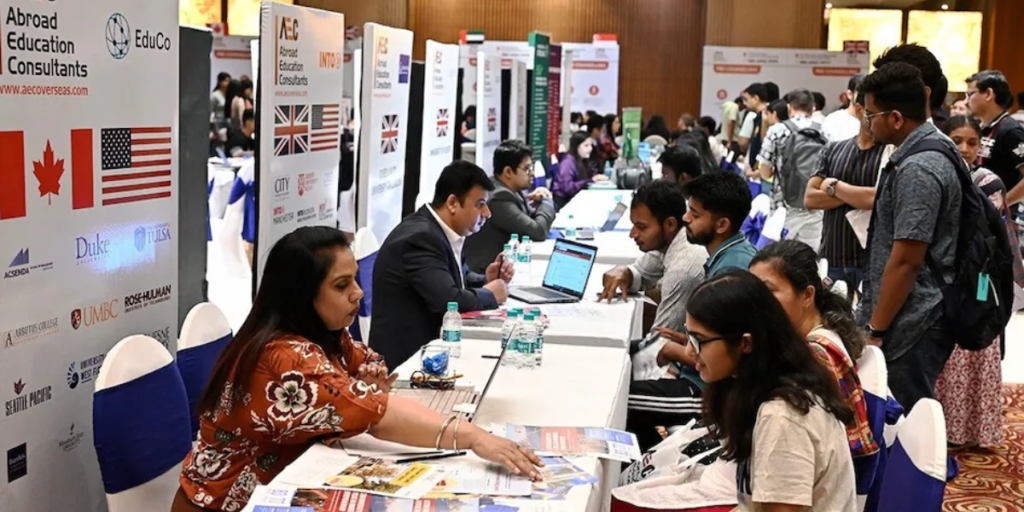
Employers are responding by expanding recruitment beyond national borders. Hiring foreign workers allows companies to maintain productivity, meet operational demands, and reduce long-term staffing risks. This strategic shift is creating openings that did not exist in the past.
From Temporary Labor to Long-Term Employment
In earlier hiring models, foreign workers were often brought in for seasonal or project-based roles. The current change in global hiring reflects a move toward long-term employment planning. Companies are recognizing that constant recruitment and high turnover are costly and inefficient.
By offering longer contracts and clearer employment pathways, employers benefit from stability while foreign workers gain improved job security. This approach also encourages skill development and workforce integration, making overseas employment more sustainable for both sides.
Expanded Opportunities Across Industries
The global hiring change is opening doors in multiple sectors. Healthcare systems require nurses, caregivers, and support staff to serve growing populations. Construction and infrastructure projects depend on skilled and semi-skilled workers to meet development targets. Manufacturing and logistics companies need consistent labor to keep supply chains functioning.
Service industries such as hospitality, food services, and facility management are also expanding international recruitment. In addition, technical and professional roles continue to attract foreign talent where local skill shortages exist.
Clearer Policies and Structured Hiring Processes
Another important aspect of this change is the gradual improvement in hiring frameworks. Governments and employers are working toward clearer visa categories, defined job roles, and regulated recruitment processes. While challenges remain, these improvements reduce uncertainty for foreign workers.
Clearer policies help workers understand eligibility requirements, contract terms, and legal protections before accepting overseas jobs. This transparency reduces the risks associated with international employment and builds confidence among job seekers.
What Foreign Workers Need to Prepare For
While the hiring change creates opportunities, it also increases competition. More candidates are applying for overseas roles as information becomes widely available. Employers are therefore focusing on candidates who demonstrate reliability, adaptability, and compliance with legal requirements.
Foreign workers need to prepare by maintaining valid documentation, understanding visa rules, and developing relevant skills. Basic language ability, awareness of workplace culture, and realistic expectations can significantly improve selection chances.
Ethical Recruitment Becomes More Important
As global hiring expands, ethical recruitment practices play a crucial role in protecting workers. Governments and organizations are placing greater emphasis on licensed recruiters, transparent contracts, and fair treatment.
Foreign workers are encouraged to verify job offers, avoid unauthorized intermediaries, and rely on official sources. Ethical recruitment ensures that the benefits of global hiring reach workers without exposing them to fraud or exploitation.
Long-Term Impact on Foreign Workers
The current change in global hiring has the potential to improve long-term outcomes for foreign workers. Stable employment, international work experience, and skill development can lead to better economic security and career growth.
As companies continue to adopt inclusive hiring strategies, foreign workers who stay informed and prepared will be well positioned to benefit. This shift represents not just more jobs, but a more structured and accessible global employment landscape.