Visa Rules Are Becoming More Complex
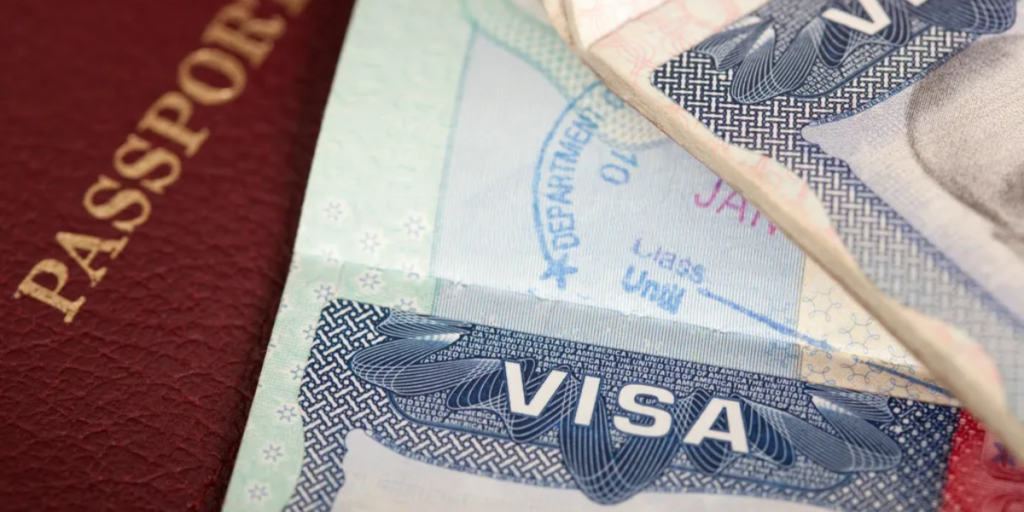
Overseas job plans often depend on timely visa approvals, but recent visa changes in many countries are making this process more complicated. Governments are updating work visa frameworks to improve regulation, manage labor markets, and strengthen compliance. While these changes are introduced for policy reasons, they can create serious delays or even completely stop overseas job plans for many applicants.
Job seekers who are not fully aware of the latest visa requirements may face unexpected obstacles, even after securing a job offer from an overseas employer.
New Documentation Requirements Are Causing Delays
One of the most common reasons overseas job plans are delayed is the introduction of new documentation requirements. Updated medical tests, additional background verification, revised skill assessments, and stricter police clearance rules are now part of many visa processes.
Applicants who submit incomplete or outdated documents often face rejections or long processing delays. In some cases, documents that were accepted earlier are no longer valid, forcing job seekers to restart parts of the application process.
Changes in Eligibility Criteria
Visa changes often include updates to eligibility criteria such as age limits, work experience, language proficiency, or educational qualifications. These changes may appear minor but can significantly affect applicants who were previously eligible.
Some job seekers discover too late that they no longer meet revised criteria. This can result in application refusal or cancellation, even if the individual has already invested time and money in preparation.
Processing Times Are Increasing
Many overseas job seekers are experiencing longer visa processing times due to additional checks and policy revisions. Governments may introduce extra screening steps to ensure compliance with labor and immigration laws.
Extended processing times can disrupt employment start dates, travel arrangements, and financial planning. Employers may not always be willing to wait indefinitely, which increases the risk of job offers being withdrawn.
Employer and Contract-Related Issues
Visa changes can also affect employer eligibility. Some countries require employers to meet new sponsorship or registration conditions before hiring foreign workers. If an employer fails to meet updated requirements, the worker’s visa application may be delayed or rejected.
In certain cases, changes in contract standards, wage thresholds, or job role definitions can prevent visa approval. Job seekers may need revised employment contracts that comply with the latest regulations.
Financial and Emotional Impact on Job Seekers
Delays or cancellations caused by visa changes can have serious financial consequences. Job seekers may lose application fees, medical costs, travel bookings, and time invested in preparation. For many, overseas employment represents a major life decision, making such disruptions emotionally stressful.
Uncertainty around visa outcomes can also affect family planning, accommodation arrangements, and long-term career goals.
Increased Risk of Misinformation and Scams
Visa changes often create confusion, which can be exploited by fraudulent agents. Some individuals falsely claim they can bypass new rules or guarantee faster approvals. Job seekers who are unaware of official processes may fall victim to such schemes.
Understanding that visa approvals are controlled by government authorities—not agents—is essential. Any promise of guaranteed approval or shortcuts should be treated as a warning sign.
How Job Seekers Can Protect Their Overseas Plans
To reduce the risk of delays or cancellations, job seekers should stay updated through official embassy or government sources. Verifying requirements before applying, preparing documents carefully, and avoiding reliance on outdated information are critical steps.
It is also important to plan timelines realistically, allowing extra time for processing and unexpected changes. Clear communication with employers about visa status can help manage expectations.
Preparing for Future Visa Changes
Visa policies will continue to evolve as countries adapt to economic and labor market needs. Overseas job seekers who remain informed, flexible, and prepared are better positioned to handle these changes.
While visa updates may slow down or stop some job plans, understanding the rules and adapting early can help applicants navigate challenges and pursue overseas opportunities more safely and successfully.